The Advantages of Partnering with an Indonesian Natural Goods Supplier for Sustainable Business Growth
The global market has experienced a remarkable transformation over the past decade, with businesses placing greater emphasis on sustainability, authenticity, and responsible sourcing. Consumers today are no longer satisfied with products that simply look attractive—they also want to know the story behind the materials, the people involved in the production process, and the environmental impact of their purchases. As a result, companies across industries are actively searching for suppliers who can meet these expectations without compromising quality or design. Indonesia has emerged as one of the world’s leading sources of natural goods, offering an ideal combination of abundant raw materials, skilled craftsmanship, flexible manufacturing, and export expertise. Partnering with an Indonesian natural goods supplier has become a strategic decision for brands seeking sustainable business growth in competitive international markets.
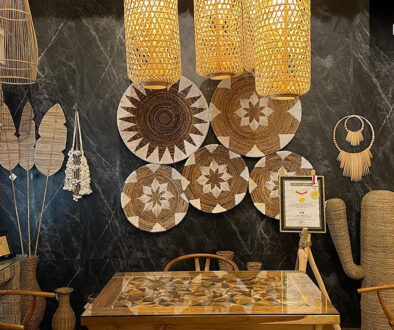
Indonesia’s greatest advantage lies in its extraordinary natural resources. Stretching across thousands of islands with diverse climates and ecosystems, the country produces an impressive variety of natural materials suitable for home décor, furniture, hospitality projects, architectural products, and lifestyle collections. Natural stone, terracotta, rattan, bamboo, teak wood, coconut shell, water hyacinth, seagrass, banana fiber, pandan leaves, and reclaimed timber are just a few of the materials widely available throughout the archipelago. These renewable resources enable manufacturers to create products that are both visually appealing and environmentally responsible. International buyers appreciate the opportunity to source multiple product categories from a single country while maintaining consistency in quality and design.
Sustainability has become one of the strongest reasons why businesses choose Indonesian suppliers. Around the world, governments, retailers, and consumers are encouraging companies to reduce their environmental footprint by selecting responsibly sourced materials and supporting ethical production methods. Many Indonesian manufacturers prioritize handcrafted processes, renewable resources, recycled materials, and low-impact production techniques that help preserve the environment while supporting local communities. Instead of relying heavily on synthetic materials or energy-intensive manufacturing, many natural goods are produced using traditional methods that consume fewer resources. This sustainable approach not only benefits the environment but also enhances a company’s brand image in increasingly eco-conscious markets.
Another important benefit is the exceptional craftsmanship found throughout Indonesia. Generations of artisans have developed specialized skills in carving stone, weaving natural fibers, shaping terracotta, woodworking, and hand-finishing decorative products. These traditional techniques create products with unique textures, authentic character, and artistic value that cannot easily be replicated by mass production. Every handcrafted item carries subtle variations that make it distinctive, adding personality and authenticity to each collection. For international brands looking to differentiate themselves from competitors selling factory-made products, Indonesian craftsmanship offers an undeniable competitive advantage that resonates with customers seeking originality and premium quality.
Flexibility is another key factor that attracts international buyers to Indonesian natural goods suppliers. Rather than limiting customers to standardized product catalogs, many manufacturers provide extensive customization services that allow businesses to create exclusive collections tailored to their own market needs. Buyers can customize dimensions, materials, colors, finishes, textures, packaging, private labeling, and branding elements according to their project requirements. Whether supplying boutique retailers, hospitality groups, architects, interior designers, wholesalers, or e-commerce businesses, Indonesian manufacturers are well known for adapting production to suit each client’s specific vision. This collaborative approach helps businesses establish stronger brand identities through unique and personalized product offerings.
Quality assurance has become increasingly sophisticated across Indonesia’s export manufacturing sector. As global competition intensifies, suppliers recognize that consistent quality is essential for maintaining long-term relationships with international buyers. Manufacturers invest in careful material selection, prototype development, production monitoring, finishing inspections, packaging improvements, and export-quality standards to ensure every shipment meets customer expectations. Reliable quality control reduces product defects, minimizes shipping damage, and builds trust between suppliers and overseas clients. Buyers benefit from greater confidence when placing repeat orders, knowing that product consistency remains a top priority throughout the manufacturing process.
Working with Indonesian suppliers also provides access to comprehensive sourcing and product development services. Many companies support clients from the earliest stages of concept creation through sampling, material selection, engineering adjustments, production planning, packaging design, quality inspections, and export documentation. This integrated approach simplifies procurement for international buyers by reducing the need to coordinate multiple vendors. Instead of managing separate design, manufacturing, and logistics providers, businesses can work with a single sourcing partner capable of overseeing the entire product development process from beginning to end. Such efficiency saves valuable time while reducing operational complexity and project risks.
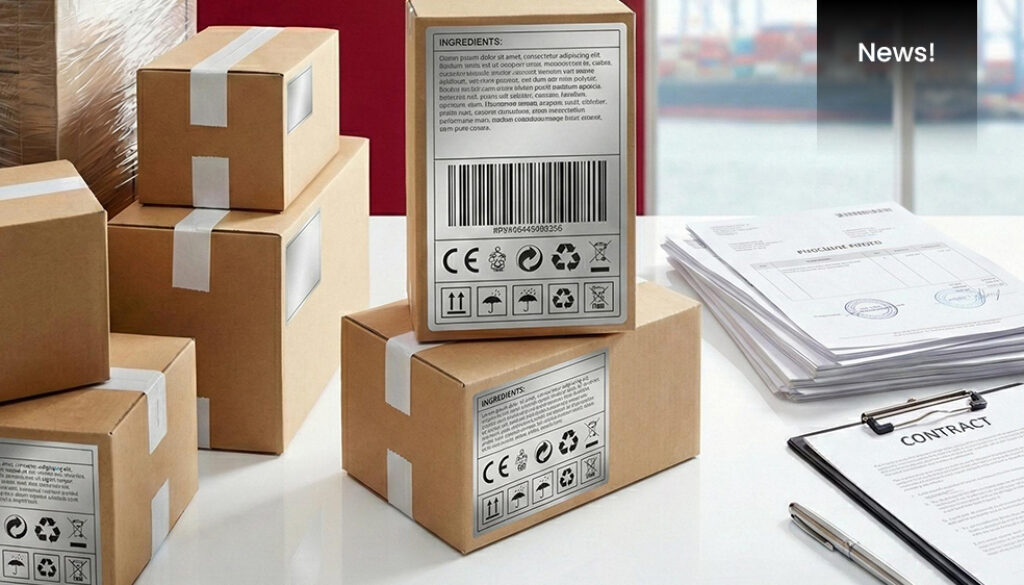
Indonesia’s growing export infrastructure further strengthens its position as a preferred global sourcing destination. Well-established shipping networks, experienced freight forwarders, export specialists, and international logistics providers make it easier than ever to deliver products to customers worldwide. Whether shipping full containers or consolidated cargo, Indonesian suppliers have extensive experience handling export documentation, customs requirements, international packaging standards, and transportation coordination. This logistical expertise enables buyers to maintain reliable supply chains while minimizing delays and ensuring products arrive safely at their destinations across Europe, North America, Australia, the Middle East, and Asia.
Beyond commercial advantages, partnering with Indonesian natural goods suppliers also creates positive social and economic impact. Many manufacturing businesses collaborate directly with local artisan communities, family-owned workshops, and rural producers whose livelihoods depend on traditional craftsmanship. By sourcing products from Indonesia, international brands contribute to employment opportunities, skills preservation, community development, and the continuation of cultural heritage that has been passed down through generations. This social responsibility increasingly appeals to modern consumers who value transparency and appreciate products that support ethical and inclusive supply chains. Companies can confidently communicate these positive impacts as part of their sustainability and corporate responsibility initiatives.
As global demand for sustainable products continues to expand, Indonesia is well positioned to remain one of the world’s most trusted sources of natural goods. Businesses seeking long-term growth need suppliers capable of delivering more than competitive pricing—they require dependable partnerships built on quality, innovation, flexibility, and responsible production. Indonesian manufacturers successfully combine abundant natural materials, experienced craftsmanship, custom product development, reliable export capabilities, and sustainable manufacturing practices into a complete sourcing solution. For international brands looking to strengthen their product offerings while meeting evolving consumer expectations, partnering with an Indonesian natural goods supplier is not simply a purchasing decision—it is a strategic investment in sustainable business success and lasting global competitiveness.